 Support Helpline: 0333 456 5776


 99 Facebook reviews

Why is one conservatory roof quote so much cheaper than the rest?

You’ve had a few quotes for your conservatory roof replacement. One comes in at £10,000. Another at £11,500. Then there’s one sitting at just £4,000.
It sounds like a great deal. But then something nags at you… is it too good to be true?
In most cases, it is.
That suspiciously low quote is almost always for a clad over conservatory roof, even if it’s never described that way. On paper, it can look like a full upgrade. In reality, it’s a very different product, and one that carries risks most installers won’t mention upfront.
Here’s what you need to know before you sign anything.
Why are some conservatory roof quotes so much cheaper?
It comes down to one simple reason. They are not quoting for the same job.
Cheaper quotes are usually for a clad over system, where new materials are added over your existing conservatory roof rather than replacing it. That is what keeps the price down. It is also what is often not clearly explained.
You might see it described as a “solid roof” or a “replacement”. The wording sounds reassuring. But once you understand what is actually being installed, the picture changes.
What is a clad over conservatory roof?
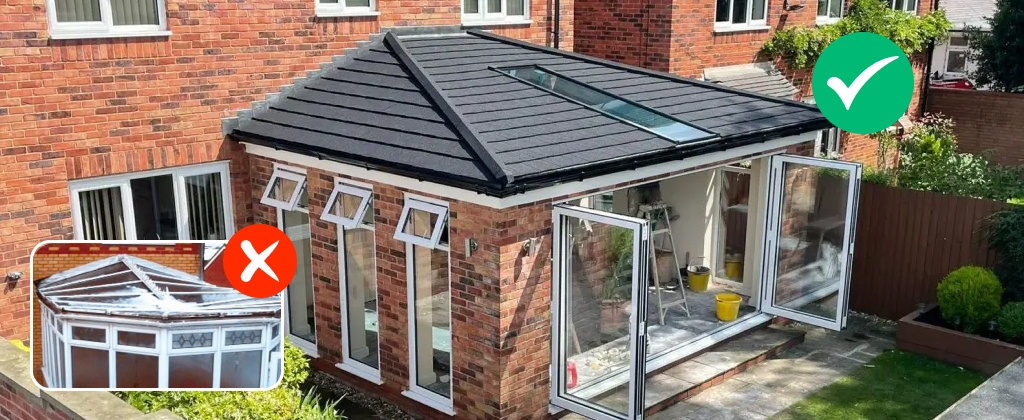
A clad over (sometimes called cladding or a cladover) is where a new roof is built on top of your existing structure instead of replacing it. The old roof stays in place. New materials go over or under it.
From the outside, it can look like a complete transformation. Underneath, the original roof is still doing the structural work.
There are four main types:
Internal cladding (clad under)
Materials like plasterboard are fixed to the inside of the existing roof, creating a ceiling effect.
It’s a bit like putting a plaster over the problem instead of fixing it properly. It may look better from inside, but the original roof is still there above it.
It does very little to improve insulation and can lead to condensation building up between layers over time.
External cladding (over clad)
Lightweight tiles are added to the outside of the existing roof.
It may look like a proper replacement, but it puts extra weight onto a structure that was only ever designed for glass or polycarbonate. Over time, that creates stress on the frame.
Internal and external cladding combined
Both methods are used together, covering the roof inside and out.
This hides underlying issues while adding even more weight to the original structure. It may look more substantial, but it still relies on the existing frame and often does not meet building regulations.
Solid panel replacements
The original panels are swapped out for solid ones.
This can reduce glare and improve the overall appearance of the roof, but it falls short on insulation and performance. It is not the same as a properly engineered tiled roof system.
Why clad over roofs cost less
The lower price is not a bargain. It reflects what has been left out.
No full roof removal
The existing roof stays in place, cutting labour, time and disposal costs.
The original frame is reused
Instead of installing a new engineered structure, the system relies on what is already there. That frame was never designed for heavier materials.
Faster, simpler installation
These jobs can be completed quickly. While that sounds convenient, it usually means key parts of a proper replacement have been skipped.
A clad over quote is cheaper because it is not offering the same thing. The finished result might look similar, but structurally and in terms of long-term performance, it is completely different.
How homeowners get misled by cladovers

This is where many homeowners get caught out.
Across the industry, it’s estimated that around 700 genuine solid conservatory roofs are installed each week, compared to roughly 1,000 cladovers.
In other words, more people are being sold a cladover than a proper replacement, often without even realising it.
It is not always labelled clearly
Quotes may use terms like “solid roof” or “replacement”, which sound like a full upgrade when they are not.
Promises of better materials
Some installers claim to use premium or branded products. In reality, these can be low-grade alternatives that do not perform or last.
The finished look hides what is underneath
Once everything is tiled and plastered, it is almost impossible to see what is going on beneath. Many homeowners only realise during installation, or when problems appear.
The focus is on price
Cheap quotes are sold on affordability and speed. What is not explained is what has been left out, including structural work, compliance and long-term reliability.
When problems start, many homeowners find they have no Building Control certificate and no proper warranty. That leaves them with a poor-quality roof and little protection.
The hidden risks of clad over roofs
While clad over systems may look like a quick and cost-effective solution, the reality is very different. The shortcuts that make them cheaper often lead to problems that only show up over time.
Structural strain
Conservatories are designed to support lightweight materials like glass or polycarbonate. Adding extra weight can put the structure under stress, leading to cracking, movement in the frame, and in some cases, more serious structural issues.
Building regulations
A full roof replacement must meet UK building regulations covering structure, insulation and ventilation. Clad over systems often bypass this. As Building Control teams commonly point out, these issues usually come to light when the homeowner tries to sell.
Fire safety
Some cladding materials are not properly tested for fire resistance. This can increase the risk of fire spreading, particularly where layers trap heat and restrict airflow.
Poor insulation
Clad over roofs rarely meet required insulation standards. You can still end up with a conservatory that is too hot in summer and too cold in winter, with little improvement in comfort.
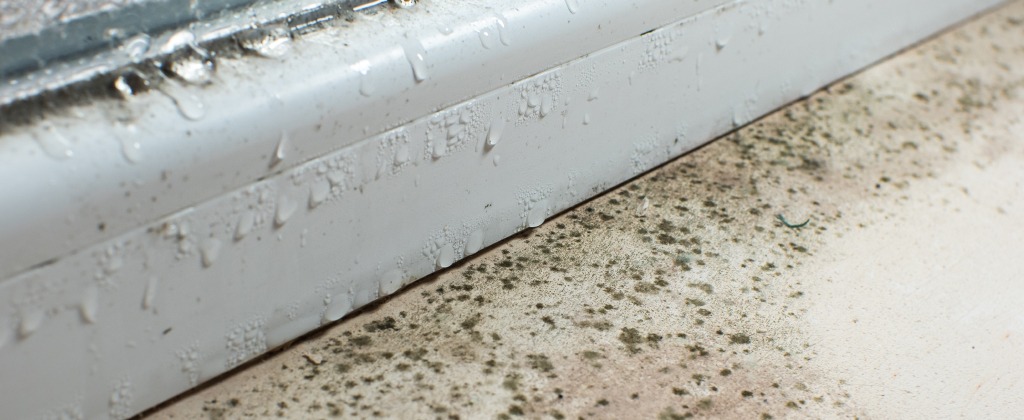
Condensation and damp
Layering materials without proper ventilation traps moisture between the old roof and the new one. Over time, this can lead to damp, mould and damage to the underlying structure.
Impact on property value
Non-compliant work can cause problems when selling your home. In some cases, it may need to be removed or corrected before a sale can go through.
These risks are rarely explained upfront, which is why many homeowners only realise the impact after the work has already been done.
What’s the difference between a clad over conservatory roof and a full aluminium roof replacement?
There is a significant difference between the two. One is a full roof replacement. The other is not.
A clad over system is installed on top of your existing roof, meaning the original structure stays in place and continues to do the work. A full aluminium roof replacement removes the existing roof completely and replaces it with a new, properly engineered structure.
See the table below to compare the two clearly:
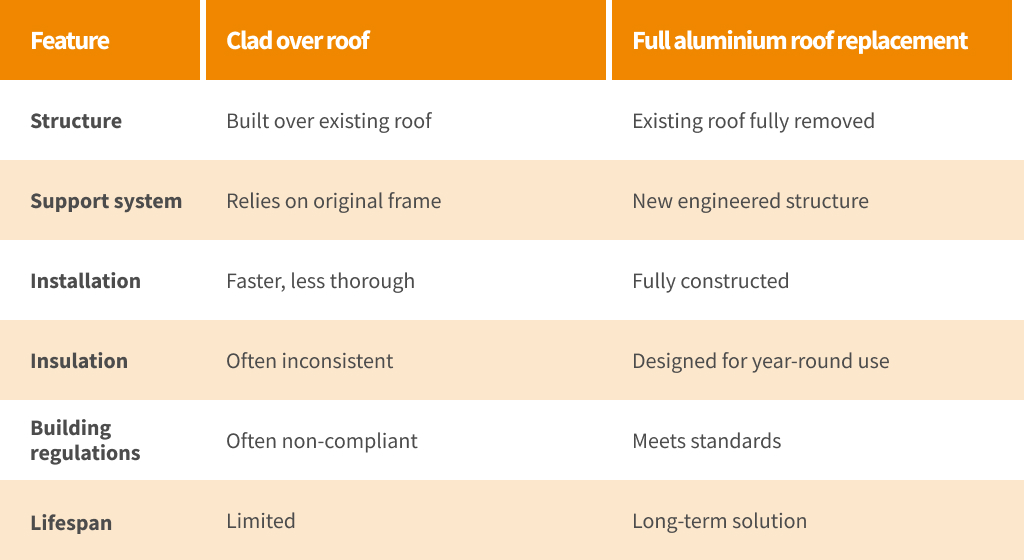
While both can improve how your conservatory looks, the difference in performance, lifespan, and compliance becomes clear over time.
Why we only install SupaLite tiled roof systems
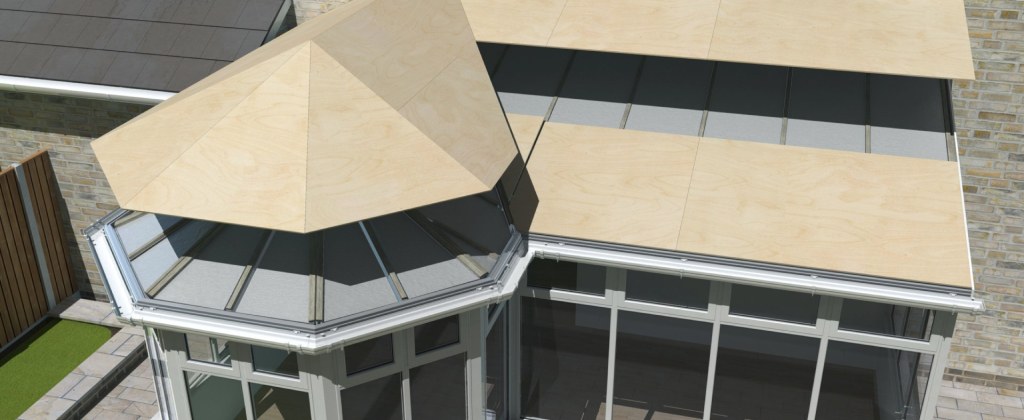
At Lightweight Roof Solutions, we only install SupaLite tiled conservatory roof systems. They are designed as full replacements, not overlays.
That means the existing roof is removed completely and replaced with a new aluminium structure, built for strength, insulation and long-term performance.
For you, that means:
- A roof that is properly supported, not relying on an old frame
- Consistent insulation, so your conservatory feels comfortable all year round
- Full compliance with building regulations, with no issues down the line
- A Building Control certificate for peace of mind
- A ten-year guarantee to protect your investment
- A choice of finishes to suit your home
It is not just about improving how your conservatory looks. It is about turning it into a space you can actually enjoy, comfortably, all year round.
What to ask before you choose an installer
If you’ve received a cheaper quote, it’s worth asking a few simple questions before you commit. These can quickly reveal whether you’re being quoted for a full roof replacement or a clad over system.
- Is this a full conservatory roof replacement or a clad over system?
- Will the existing roof be completely removed?
- Does the installation meet current building regulations?
- Will I receive a Building Control certificate once the work is complete?
- Has the new structure been properly designed to support the roof?
If you’re not getting clear, confident answers, that’s usually a warning sign.
Thinking of upgrading to a full conservatory roof replacement?
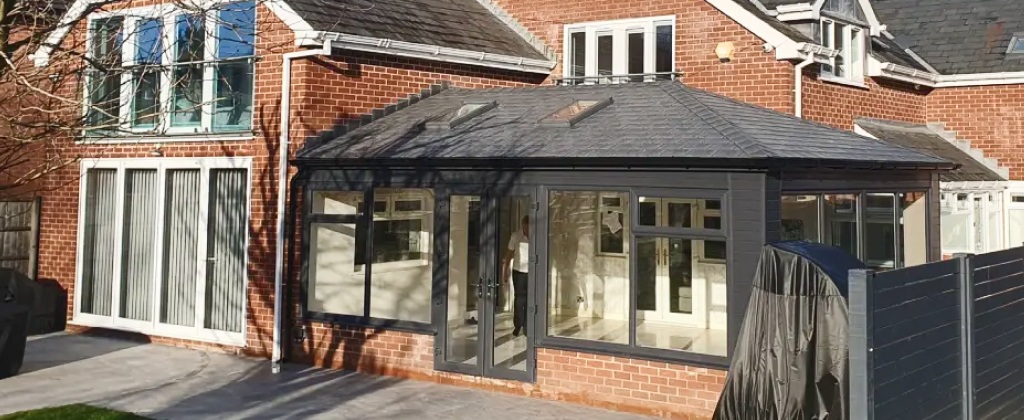
At Lightweight Roof Solutions, we install SupaLite tiled conservatory roof systems as a trusted, fully engineered option. That means your existing roof is completely replaced, giving you a space that is properly insulated, compliant, and built to last.
If you are thinking about transforming your conservatory, now is the perfect time. We can help you turn it into a space you actually enjoy using. Warm in winter, cooler in the summer months, and comfortable all year round.
Get in touch with our team today and we will talk you through your options with clear, honest advice.

 Opening Times: Mon - Fri: 9am - 5pm | Sat: 9am - 12pm
 Opening Times: Mon - Fri: 9am - 5pm | Sat: 9am - 12pm